


.
Today we are pleased to present you the range of Ship System’s spare parts, available in stock just right for summer maintenance service.
These products are ready to be shipped from our warehouse thanks to the partnership with Mival, Italian manufacturer that has been designing and producing high-quality valves since 1967, combining the excellence of the tradition in manufacturing with technological innovation.
.
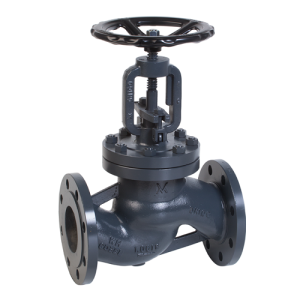 | 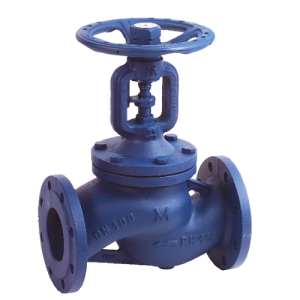 |
Streamlined Flow Valve Outside Screw | Streamlined Flow Valve with Bellows Outside Screw PN16 | PN25 |
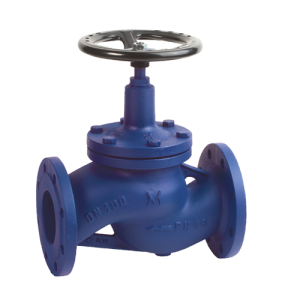 | 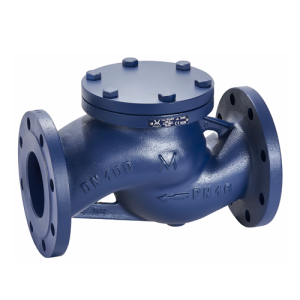 |
| Streamlined Flow Valve with Bellows Inside Screw | Streamlined Flow Check Valve |
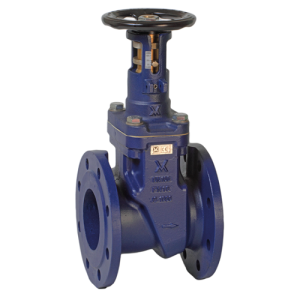 | 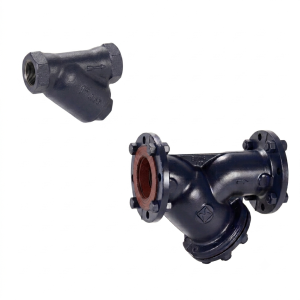 |
| Shutoff Valve with Rubber Coated Wedge-and Flanged Flat Body | Strainer Y-Type Threaded e Flanged |
| . | |
.
Do not hesitate to contact us for any question, our staff is at your complete disposal!
.
What is the difference between an inside-screw and an outside-screw Mival globe valve for marine systems?
The main difference lies in the position of the stem threads relative to the fluid. In outside-screw valves (OS&Y), the threading is located outside the valve body; this isolates it from the corrosive action of shipboard fluids (such as seawater) and facilitates maintenance, making it the ideal standard for high-pressure PN40 carbon steel applications. Conversely, in inside-screw valves, the mechanism is in contact with the fluid: this design drastically reduces vertical space requirements, making it perfect for confined technical spaces and narrow passageways within marine systems.
When should a PN16 or PN25 bellows-sealed globe valve be installed on board a ship?
Mival bellows-sealed valves should be installed when the absolute absence of external leakage or fugitive emissions is required. They are ideally suited for steam and thermal oil lines – where they prevent thermal efficiency losses – and for circuits carrying toxic or flammable fluids, ensuring compliance with SOLAS safety regulations. Furthermore, the use of a bellows eliminates the need for periodic gland packing adjustments, thereby reducing time and costs during summer shipyard maintenance.
How do you select the correct pressure rating – PN16, PN25, or PN40 – for marine valves?
The choice of PN (Nominal Pressure) rating is based on the maximum operating pressure and temperature of the shipboard system. The PN16 rating is suitable for low-pressure auxiliary circuits, cooling lines, ballast water systems, and Y-strainer installations. The PN25 rating is used for medium-pressure fuel transfer and boiler feed systems. The PN40 rating (in carbon steel), meanwhile, is reserved for main steam lines and high-pressure sections, where the steel’s mechanical strength is essential to withstand thermal stress and water hammer.
What are the advantages of a rubber-wedge gate valve, and why does it require an upstream Y-strainer?
A rubber-wedge gate valve (flat-body flanged gate valve) provides a 100% airtight seal, as the rubber conforms perfectly to the seat- compensating for microscopic impurities – and ensures low pressure drop thanks to a full-bore design that optimizes the performance of onboard pumps. However, it is essential to install an upstream Y-strainer to trap solid debris, rust, and pipe scale; otherwise, these could scratch or cut the wedge’s rubber coating, compromising its sealing integrity.
Why is the stock availability of Mival components a critical factor for summer marine maintenance?
Immediate stock availability eliminates lead times during the summer season a period when downtime for ferries and commercial vessels results in penalties and losses amounting to thousands of euros per hour. Having instant access to high-quality components designed and manufactured in Italy by Mival since 1967 enables shipyards to carry out scheduled refits in record time, while ensuring spare parts that easily pass the rigorous inspections of marine classification societies.
.
.
Tags: